
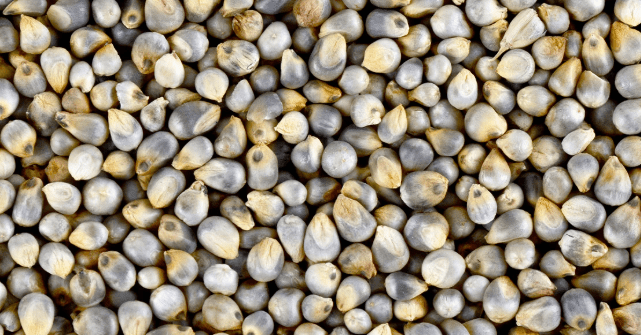
Diabetes Diet Tips: Bajra (also called pearl millet) is a great food for people with diabetes. Want to know how to add it to your meals? We’ve got 5 tasty and healthy ideas!
Why Bajra Is Good for Diabetics
Diabetes is now one of the biggest health issues worldwide, affecting millions of people. As per the World Health Organization (WHO), over 422 million people live with diabetes globally – and the numbers are growing.
Though diabetes cannot be cured fully, eating healthy food can help control it. One smart choice is Bajra – a grain full of health benefits, especially for those with high blood sugar.
Bajra is rich in fibre and magnesium, both of which help in managing blood sugar levels. Also, it has a low glycemic index (GI) – meaning it doesn’t cause a quick spike in blood sugar.
Nutritionist Rupali Datta explains, “Bajra is a good source of magnesium, which helps reduce the risk of diabetes. Its fibre and slowly digesting starch help in keeping blood sugar steady.”
Bajra for Diabetes: Is Pearl Millet Good for Blood Sugar?
Looking for natural foods to manage your diabetes? Bajra, also known as pearl millet, is an ancient grain that can help control blood sugar while also being tasty and filling. In this blog, we’ll explore why bajra is a diabetes-friendly grain, how it helps, and some easy ways to include it in your daily meals.
What Is Bajra?
Bajra (Pearl Millet) is a gluten-free grain that has been a part of Indian diets for centuries. It is widely grown in arid regions and is known for its high fibre, protein, and mineral content.
In Ayurveda and modern nutrition, bajra is praised for its ability to provide warmth, energy, and support digestion — all without causing sudden spikes in blood sugar.
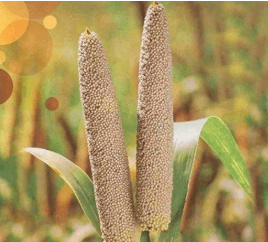
Is Bajra Good for Diabetes?
Yes! Bajra is one of the best grains for people with diabetes. It has a low glycemic index (GI) and is rich in magnesium and insoluble fibre, both of which help regulate blood sugar levels.
Key Benefits for Diabetics:
- Low Glycemic Index (~54): Helps prevent sudden spikes in blood sugar.
- High Fibre: Keeps you full longer and slows down digestion.
- Rich in Magnesium: Improves insulin response.
- Contains Complex Carbs: Breaks down slowly into glucose, giving steady energy.
Expert Opinion:
“Bajra is a great addition to a diabetic’s diet due to its fibre and slow-digesting starch. It helps in better blood sugar control,” says Rupali Datta, consultant nutritionist.
Bajra Nutrition Facts (Per 100g uncooked)
| Nutrient | Amount |
|---|---|
| Calories | 378 kcal |
| Carbohydrates | 73 g |
| Protein | 11 g |
| Fat | 5 g |
| Fibre | 8 g |
| Magnesium | 137 mg |
| Iron | 8 mg |
Note: These values may vary slightly based on the brand and processing method.
How Bajra Helps in Diabetes Management
1. Controls Blood Sugar
Bajra digests slowly and releases glucose into the blood gradually. This helps prevent sugar spikes after meals.
2. Improves Insulin Sensitivity
The magnesium in bajra supports the function of insulin, the hormone responsible for blood sugar control.
3. Promotes Fullness and Weight Control
High-fibre content makes you feel full, which can help reduce overeating — a common issue in type 2 diabetes.
4. Supports Heart Health
Diabetes often affects heart health. Bajra’s magnesium, potassium, and fibre help regulate blood pressure and cholesterol.
Health Benefits of Bajra
1. Helps Manage Diabetes
- Low glycemic index (GI 43–68) helps control blood sugar.
- High fiber slows glucose release and improves insulin sensitivity.
- Contains cereal fibers linked to improved type 2 diabetes outcomes.
2. Supports Weight Loss
- Low calorie density (1.2) keeps you full longer.
- Helps reduce overeating and manage hunger.
3. Improves Hair, Skin, and Nail Health
- Contains nutrients like zinc, iron, folate, and vitamin B6 that support strong nails and healthy skin/hair.
4. Good for Heart Health
- Magnesium and fiber support blood pressure and cholesterol levels.
How to Cook Bajra
Basic Method:
- Use 1 cup bajra + 2 cups water.
- Boil, then simmer for 15 minutes until soft and fluffy.
Optional:
- Toast dry bajra for a nutty flavor.
- Add extra water for a porridge texture.
Best Ways to Eat Bajra for Diabetes
You can easily include bajra in various meals. Here are some diabetes-friendly bajra recipes:
Bajra Dosa
A crispy dosa made with bajra, rice, and urad dal. Rich in protein and fibre.
Bajra Khichdi
A light, comforting meal made without rice. Full of protein and easy on the stomach.
Bajra Roti / Paratha
Replace wheat flour with bajra flour and add spices like turmeric and methi.
Bajra Methi Missi Roti
A nutritious roti made with bajra, atta, and fresh fenugreek leaves.
Bajra Upma / Porridge
A warm, savory dish that’s perfect for breakfast or a light dinner.
Precautions While Eating Bajra
- Portion control is important. Even though bajra is diabetic-friendly, too much can lead to carb overload.
- Combine with vegetables or protein to make a balanced meal.
- Drink enough water – bajra is high in fibre and may cause bloating or constipation if you’re not hydrated.
- Introduce slowly if you’ve never eaten it before, to avoid digestion issues.
Simple Bajra Diet Plan for a Diabetic (Sample)
| Meal | Idea |
|---|---|
| Breakfast | Bajra dosa with chutney |
| Mid-Morning | Handful of roasted chana or a fruit |
| Lunch | Bajra khichdi with curd and salad |
| Evening | Bajra cookies or puffed bajra snack |
| Dinner | Bajra roti with sabzi and methi curry |
Frequently Asked Questions (FAQs)
Q1. Can I eat bajra every day if I have diabetes?
Yes, you can include bajra daily in small to moderate portions as part of a balanced diet.
Q2. Is bajra better than rice for diabetics?
Yes, bajra has a lower glycemic index and more fibre than white rice, making it a better choice for diabetics.
Q3. Can bajra raise blood sugar?
Not significantly, especially when eaten in moderation and combined with veggies or protein.
Q4. Which is better for diabetes: Bajra or Jowar?
Both are good! Bajra is slightly more warming and dense, while jowar is lighter. You can include both in your diet.
Q5. Can I eat bajra at night?
Yes, but keep portions small and combine it with light sabzi or curd for better digestion.
Quick Summary Table
| Benefit | Description |
|---|---|
| Low Glycemic Index | Helps control blood sugar spikes |
| High in Fibre | Keeps you full and slows digestion |
| Rich in Magnesium | Improves insulin function |
| Versatile in Recipes | Can be used in dosa, khichdi, roti, and more |
| Aids Weight Management | Prevents overeating and controls appetite |
5 Tasty and Healthy Bajra Recipes for Diabetics
Here are some simple and tasty ways to add Bajra to your everyday meals:
1. Bajra Dosa
This dosa is made using Bajra, rice, and urad dal. It’s full of fibre and protein – a perfect choice for a healthy breakfast. It takes just 20 minutes to make! Enjoy it with hot sambar and chutney.
Click here for the Bajra Dosa recipe
2. Bajra Khichdi
Khichdi is a comfort food loved by many. This version skips rice and uses Bajra instead. It’s light, filling, and rich in protein and fibre. Great for lunch or dinner and helps maintain blood sugar.
Click here for the Bajra Khichdi recipe
3. Bajra Paratha
Swap your regular flour with Bajra flour to make this tasty paratha. Add turmeric, chilli flakes, hing, and sesame seeds for extra flavor and crunch. Eat it with curd and pickle for a yummy meal.
Click here for the Bajra Paratha recipe
4. Bajre Ka Thepla
This is a Gujarati-style flatbread made with bajra flour, wheat flour, methi (fenugreek), green chillies, and spices. Cook it on a pan until crispy. It’s perfect for a quick and healthy snack.
Click here for the Bajre Ka Thepla recipe
5. Bajra Methi Missi Roti
This roti is a twist on the regular bajra roti. It mixes Bajra and wheat flour and adds fresh methi leaves for flavor. This nutritious roti goes well with any sabzi and makes your meal healthier.
Click here for the Bajra Methi Missi Roti recipe
Bajra is a powerful whole grain that can support better blood sugar control, weight loss, and general wellness. It’s gluten-free, rich in nutrients, and versatile in Indian and global recipes.
Whether you’re diabetic or just looking for a healthier grain alternative, bajra is a smart, natural choice. Just soak or ferment it to improve its nutrient absorption and enjoy it in rotis, porridge, khichdi, or dosa.