
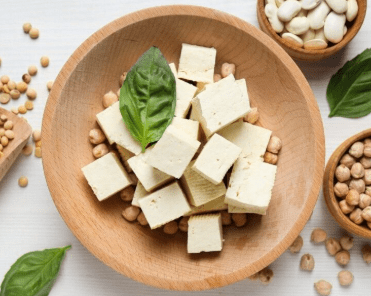
Paneer Protein per 100g is 258kcal. Paneer, also known as Indian cottage cheese, is not just a tasty ingredient used in your favorite curries and gravy dishes—it’s a true nutritional powerhouse loved by people of all ages.
100 gm paneer protein
- Paneer is highly nutritious and an excellent protein source, especially for vegetarians.
- 100 grams of paneer contains approximately 258 kcal.
- Rich in protein and vitamins, it’s a smart dietary choice, even for diabetics (low in carbs).
- The bland flavor of paneer makes it easy to blend into many dishes.
Why Paneer is a Healthy Choice
- It’s a vegetarian source of protein.
- Can be consumed raw, cooked in masalas, or as snacks.
- Contains essential vitamins and offers dietary value that aids in reaching fitness or weight goals.
Protein in 100g of Paneer
- 100g paneer = ~258 kcal
- High in protein content, making it a staple in Indian vegetarian diets.
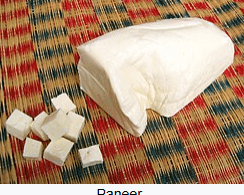
Health Benefits of Paneer:
- High Protein Content: Supports daily protein requirements.
- Muscle Building: Aids muscle growth and repair.
- Blood Sugar Regulation: Stabilizes blood sugar, prevents crashes.
- Bone Health: High in calcium and phosphorus, supports bones and teeth, helps prevent osteoporosis.
How to Use Paneer for Protein Intake:
- Curries: Popular in dishes like butter masala, palak paneer, etc.
- Grilled or Fried: Adds flavor to wraps, salads, sandwiches.
- In Salads: Adds a protein punch with veggies and dressing.
- Paneer Tikka: Marinated and grilled, a flavorful appetizer.
- As a Snack: Lightly seasoned cubes for a quick high-protein bite.
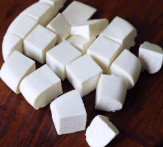
What Are Paneer and Tofu?
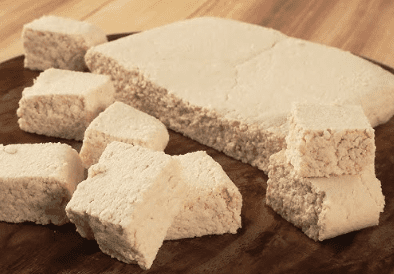
Paneer is a type of fresh cheese made by curdling cow’s or buffalo’s milk using lemon juice or another acid. It likely came from India and is also known as Indian cottage cheese.
Paneer has a mild flavor, similar to American cottage cheese. Depending on how long it’s pressed, it can be soft and spongy or slightly firm. One unique thing about paneer is that it doesn’t melt when cooked.
In many Indian, Afghan, and Pakistani recipes, cooks often cut paneer into cubes and add it to curries. It can also be breaded and fried, making it a popular part of South Asian cuisine.
Tofu, however, is made from soy milk. It’s also curdled and pressed, just like paneer. You can find different types of tofu like soft, firm, and extra-firm.
Even though tofu and paneer look similar—both are usually white blocks—the ingredients are very different. Paneer is dairy, while tofu is plant-based. The term soy milk can be confusing because it doesn’t contain any actual milk.
Tofu came from China and is a key part of many Asian cuisines. Today, people around the world enjoy tofu. It is often used in soups, stir-fries, and more. While tofu is bland on its own, it easily absorbs flavors from spices and sauces.
Nutritional Profiles of Paneer and Tofu
Both paneer and tofu are excellent vegetarian protein sources and are often used in healthy meals. They also contain several important micronutrients, but in different amounts.
Here’s a quick nutrition comparison of 100 grams (about 3.5 ounces) of paneer and firm tofu (made with calcium sulfate):
| Nutrient | Paneer | Firm Tofu |
|---|---|---|
| Calories | 321 | 144 |
| Protein | 25 grams | 17.3 grams |
| Fat | 25 grams | 8.72 grams |
| Carbohydrates | 3.57 grams | 2.78 grams |
| Fiber | 0 grams | 2.3 grams |
| Calcium | 31% DV | 53% DV |
| Iron | 0% DV | 15% DV |
| Potassium | 2% DV | 5% DV |
From this chart, it’s clear that paneer is higher in calories, protein, and fat, making it a great choice for those needing more energy or muscle gain. On the other hand, tofu is lower in fat and calories, but offers more fiber, iron, and calcium, which can support bone health and energy levels.
Similarities and Differences Between Paneer and Tofu
| Factor | Paneer | Tofu |
|---|---|---|
| Appearance | White block, similar to cottage cheese | White block, smooth texture |
| Made From | Cow’s or buffalo’s milk | Soy milk |
| Production Process | Made by curdling and pressing milk | Made by curdling and pressing soy milk |
| Taste | Mild flavor, absorbs spices and sauces | Mild flavor, soaks up marinades and seasonings |
| Used In | Common in Indian, Afghan, and South Asian cuisines | Common in Chinese, Japanese, Korean, and other Asian cuisines |
| Protein Source | Complete protein, contains all essential amino acids | Complete protein, contains all essential amino acids |
| Calcium Content | High in calcium, good for bone health | Even higher in calcium, supports bone strength |
| Vegan-Friendly | Not vegan (made from animal milk) | Vegan (made from plants) |
| Isoflavones | Does not contain isoflavones | Rich in isoflavones, may help prevent heart disease, cancer, and osteoporosis |
| Health Benefits | Great for muscle building and weight maintenance | May offer extra health benefits due to plant compounds |
Summary
Paneer and tofu look alike and are both great sources of protein and calcium with a mild taste. However, tofu is plant-based, making it suitable for vegan diets, and contains isoflavones, which may offer additional health benefits. Paneer, on the other hand, is made from dairy and is ideal for vegetarians, especially those focused on muscle gain.
Who Doesn’t Love Paneer? Discover Its Amazing Nutrition and Health Benefits
Paneer, also known as Indian cottage cheese, is not just a tasty ingredient used in your favorite curries and gravy dishes—it’s a true nutritional powerhouse loved by people of all ages.
Packed with essential nutrients, vitamins, and minerals, paneer offers far more than just great flavor. It’s an excellent source of protein, especially for those following a vegetarian or plant-based diet.
But here’s the thing—while many people enjoy eating paneer, not everyone knows about its full nutritional value or the wide range of health benefits it offers. Are you wondering how healthy paneer really is?
- The nutritional breakdown of paneer
- Its top health benefits
- Easy ways to add paneer to your daily diet
Benefits of Adding Paneer to Your Diet
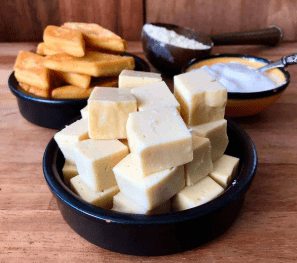
More than just delicious, paneer (Indian cottage cheese) offers a variety of health benefits thanks to its impressive nutrient profile. Here’s how adding paneer to your meals can improve your health:
Muscle Building and Repair
Paneer is rich in protein, making it a great choice for those looking to build muscle or recover after workouts. Protein helps repair muscle tissues and supports overall strength gain.
Improves Bone Health
Loaded with calcium and Vitamin D, paneer helps keep your bones and teeth strong. This is especially important for children, the elderly, and anyone at risk of osteoporosis.
Supports Weight Management
Thanks to its high protein content, paneer keeps you full longer, helping to reduce hunger cravings and support healthy weight loss or maintenance.
Boosts Energy Levels
The combination of protein and healthy fats in paneer delivers long-lasting energy, helping you stay active and productive throughout the day.
Diabetic-Friendly
Paneer is low in carbohydrates, making it a smart protein choice for diabetics who need to manage their blood sugar levels.
How to Incorporate Paneer into Your Diet
Paneer isn’t just for curries! Its versatility makes it easy to include in a variety of healthy dishes. Here are some tasty ideas:
- Paneer Scramble or Omelette: Cook crumbled paneer with veggies for a protein-packed breakfast.
- Grilled Paneer Cubes: Toss with your favorite spices and enjoy a low-carb, high-protein snack.
- Salad Topper: Add crumbled paneer over salads for extra texture and nutrition.
- Paneer Patties: Mix paneer with veggies and spices to make healthy vegetarian burgers.
- Sweet Treats: Yes, even desserts like paneer kheer can help you reap its benefits in a tasty way.