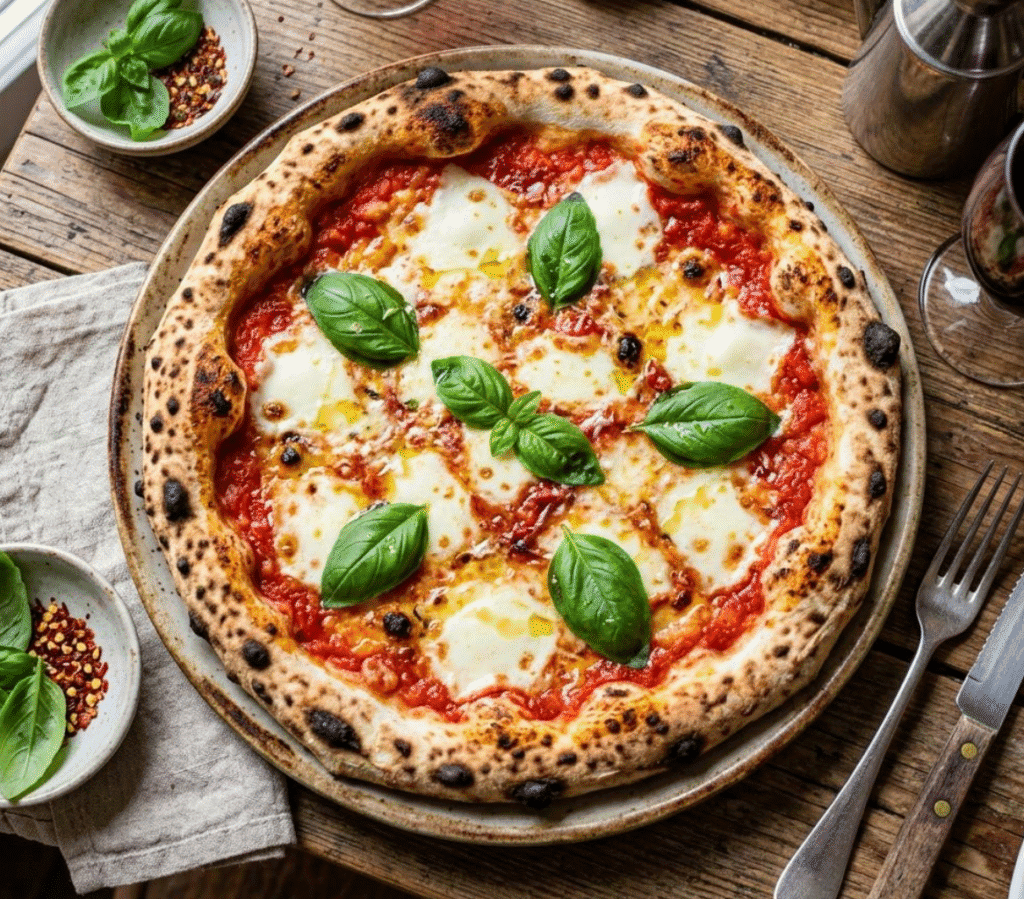
Italian pizza is one of those dishes that can turn a simple meal into something special. The combination of a soft and crispy crust, fresh tomato sauce, melted mozzarella cheese, and fragrant basil makes it popular all over the world. Whether you enjoy pizza at a restaurant or prefer making it in your own kitchen, Italian pizza has a unique taste that is difficult to forget.
The best part is that you do not need to travel to Italy to enjoy a delicious pizza. With a few basic ingredients and the right cooking method, you can make homemade Italian-style pizza for your family.
In this article, you will learn what Italian pizza is, which ingredients you need, how to prepare the dough and sauce, and how to bake a delicious pizza at home.
What Is Italian Pizza?
Italian pizza is a traditional Italian dish made with a thin or moderately thick dough base, tomato sauce, cheese, and other fresh ingredients. It is usually baked at a high temperature to create a crust that is crisp on the outside and soft inside.
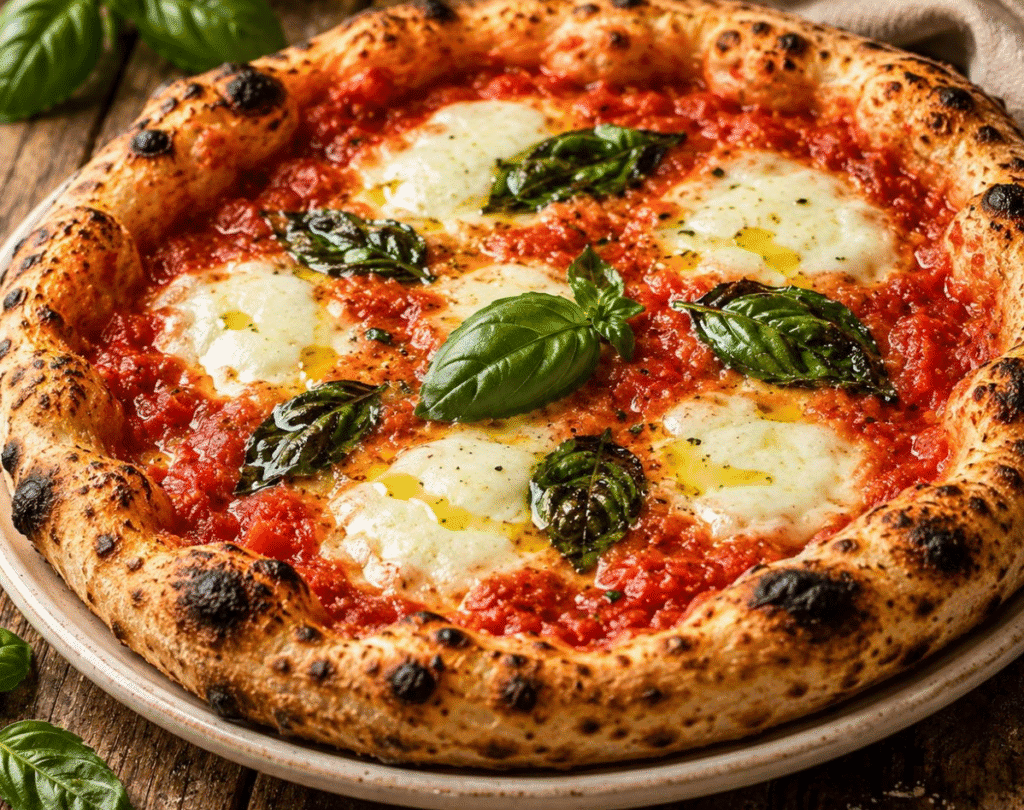
One of the most famous varieties is Neapolitan pizza, which originated in Naples, Italy. Traditional Neapolitan pizza is known for its soft centre, airy crust, fresh mozzarella, tomatoes, and basil.
Unlike some heavily topped pizzas, traditional Italian pizza often focuses on a few good-quality ingredients. The aim is to let every ingredient contribute to the overall flavour.
Ingredients Required to Make Italian Pizza
Here are the ingredients you need to prepare two medium-sized homemade pizzas.
For the pizza dough
- 300 grams all-purpose flour (maida)
- 190–200 ml lukewarm water
- 1 teaspoon instant dry yeast
- 1 teaspoon sugar (optional)
- 1 teaspoon salt
- 1 tablespoon olive oil
For the pizza sauce
- 200 grams fresh or canned tomatoes
- 2 garlic cloves, finely chopped
- 1 tablespoon olive oil
- Salt as required
- A pinch of black pepper
- A few fresh basil leaves or a little dried oregano
For the toppings
- 150–200 grams mozzarella cheese
- Fresh basil leaves
- A little olive oil
- Sliced mushrooms, olives, or capsicum if desired
Tip: For a more traditional Italian flavour, keep the toppings simple. Too much cheese, sauce, or vegetables can make the centre of the pizza soggy.
How to Make Italian Pizza at Home
Step 1: Prepare the dough
Take a large mixing bowl and add the flour, yeast, sugar, and salt. Gradually pour in the lukewarm water and mix until a rough dough forms.
Add the olive oil and knead the dough for around 8–10 minutes until it becomes smooth and elastic. If the dough feels slightly sticky, avoid adding too much extra flour because this can make the crust dense.
Cover the bowl with a clean cloth or lid and leave the dough in a warm place for approximately 1–2 hours, or until it has noticeably increased in size. The exact time depends on the room temperature.
Step 2: Make the tomato sauce
Heat the olive oil in a small pan and add the chopped garlic. Cook briefly without allowing it to burn.
Add the tomatoes and a little salt and black pepper. Cook for around 10–15 minutes until the sauce thickens slightly. Add basil or oregano according to your preference.
Allow the sauce to cool before spreading it on the dough.
For a simpler Neapolitan-style sauce, you can crush good-quality canned tomatoes and season them lightly with salt instead of cooking them first.
Step 3: Shape the pizza base
Once the dough has risen, gently press it to release some of the air. Divide it into two equal portions.
Place one portion on a lightly floured surface and stretch it into a round shape using your hands. You can use a rolling pin if you find hand-stretching difficult, although hand-stretching helps preserve the air in the crust.
Keep the centre relatively thin and leave a slightly thicker edge around the outside.
Step 4: Add the sauce and toppings
Place the shaped dough on a baking tray or pizza stone. Spread a thin layer of tomato sauce over the base, leaving the edges uncovered.
Add the mozzarella cheese and a few basil leaves. If you enjoy vegetable pizza, add a small amount of sliced mushrooms, capsicum, or olives.
Do not overload the base with toppings. A lighter topping helps the dough cook properly and gives the pizza a better texture.
Step 5: Bake the Italian pizza
Preheat your oven to its highest suitable temperature, ideally around 250°C or higher if your oven supports it. Allow the oven to preheat thoroughly before baking.
Bake the pizza for approximately 7–12 minutes, depending on the oven temperature, dough thickness, and baking tray. It is ready when the crust has browned, the cheese has melted, and the base is cooked through.
Traditional Neapolitan pizza is cooked in a specialised oven at much higher temperatures, so a regular home oven will produce a slightly different result.
Step 6: Serve and enjoy
Remove the pizza carefully from the oven. Add a few fresh basil leaves and a light drizzle of olive oil if desired.
Let it rest for a minute or two before slicing. Serve it hot while the crust is crisp and the cheese is still soft and melted.
Homemade Italian pizza tastes especially good when served fresh with a simple salad or a cold drink.
Popular Types of Italian Pizza
Italy has several famous pizza varieties, each with its own flavour and style.
1. Margherita Pizza
Pizza Margherita is made with tomato, mozzarella cheese, and basil. Its simple ingredients and colours are commonly associated with the Italian flag. It is an excellent choice for anyone who wants to experience a classic Italian pizza.
2. Marinara Pizza
Pizza Marinara traditionally uses tomatoes, garlic, oregano, and olive oil. It does not contain cheese, making it a good option for people who prefer a dairy-free pizza.
3. Quattro Formaggi Pizza
The name means “four cheeses.” This pizza combines several cheeses to create a rich, creamy flavour. The exact cheeses vary by recipe and region.
4. Quattro Stagioni Pizza
Quattro Stagioni means “four seasons.” Its toppings are arranged in separate sections, often featuring ingredients such as mushrooms, artichokes, olives, and cooked ham.
5. Diavola Pizza
Diavola is a spicy Italian pizza commonly prepared with tomato sauce, mozzarella, and spicy salami. The choice of meat and seasoning can vary.
6. Pizza Napoletana
Neapolitan pizza is famous for its soft centre, airy raised crust, and simple toppings. It is traditionally associated with Naples and is one of Italy’s best-known pizza styles.
What Makes Italian Pizza Different from Regular Pizza?
Italian pizza is often associated with simplicity, fresh ingredients, and a crust that highlights the quality of the dough.
Some restaurant and takeaway pizzas have thicker bases, generous cheese, creamy sauces, and many toppings. Traditional Italian styles often use fewer toppings and allow the tomato, cheese, olive oil, and dough to stand out.
However, there is no single style that defines every Italian pizza. Pizza varies by region, and Italian pizzerias use different dough recipes, flour types, toppings, and baking techniques.
Tips for Making Better Italian Pizza
If you want to improve your homemade pizza, keep these practical tips in mind.
- Use good-quality flour: Bread flour or suitable pizza flour can help create a chewy crust.
- Measure the water carefully: The right hydration helps produce a lighter dough.
- Give the dough enough time: A longer, slower fermentation can improve flavour and texture.
- Preheat the oven properly: A hot oven helps the base cook before the toppings release too much moisture.
- Use mozzarella that is not excessively wet: Drain fresh mozzarella if necessary.
- Keep the toppings light: Too many toppings can prevent the centre from cooking properly.
- Use fresh basil at the right time: Adding some basil after baking helps preserve its fresh aroma.
- Do not rush the dough: Allowing it to rise properly is one of the easiest ways to improve the final result.
Is Italian Pizza Healthy?
Italian pizza can be part of a balanced diet, depending on the portion size and ingredients used.
A pizza made with a moderate amount of cheese, tomato sauce, vegetables, and a well-fermented dough can provide carbohydrates, protein, calcium, and some vitamins. However, large portions, excess cheese, processed meat, and high salt levels can increase its calorie and sodium content.
For a lighter homemade version, use plenty of vegetables, control the cheese quantity, and enjoy a reasonable portion.
Frequently Asked Questions About Italian Pizza
1. What is the most famous Italian pizza?
Pizza Margherita is one of the most famous Italian pizzas. It is traditionally made with tomato, mozzarella cheese, and basil.
2. Which flour is best for Italian pizza?
Italian pizza flour, often labelled Tipo 00, is a popular choice for traditional pizza dough. Bread flour or all-purpose flour can also work well for homemade pizza.
3. Can I make Italian pizza without a pizza oven?
Yes. You can make Italian-style pizza in a regular home oven. Preheat it thoroughly and use the highest suitable temperature to help achieve a crisp base.
4. Which cheese is used in Italian pizza?
Mozzarella is commonly used in many Italian pizza varieties. Depending on the recipe, other cheeses may also be added.
5. How long does Italian pizza take to cook?
In a regular home oven, homemade pizza may take around 7–12 minutes at a high temperature. Cooking time varies depending on the oven, dough thickness, and toppings.
6. What is the difference between Italian pizza and American pizza?
Traditional Italian pizza often features a simpler topping combination and a crust that varies by regional style. American pizza includes many different styles, such as New York thin crust, Chicago deep dish, and thicker pan pizzas.
7. Can I make Italian pizza without yeast?
Yes. You can prepare a quick pizza base without yeast, but the texture and flavour will differ from traditional yeast-fermented pizza dough.
8. Is Italian pizza vegetarian?
Many Italian pizzas are vegetarian, including Margherita and Marinara. Always check the ingredients, especially when ordering at a restaurant.
Conclusion
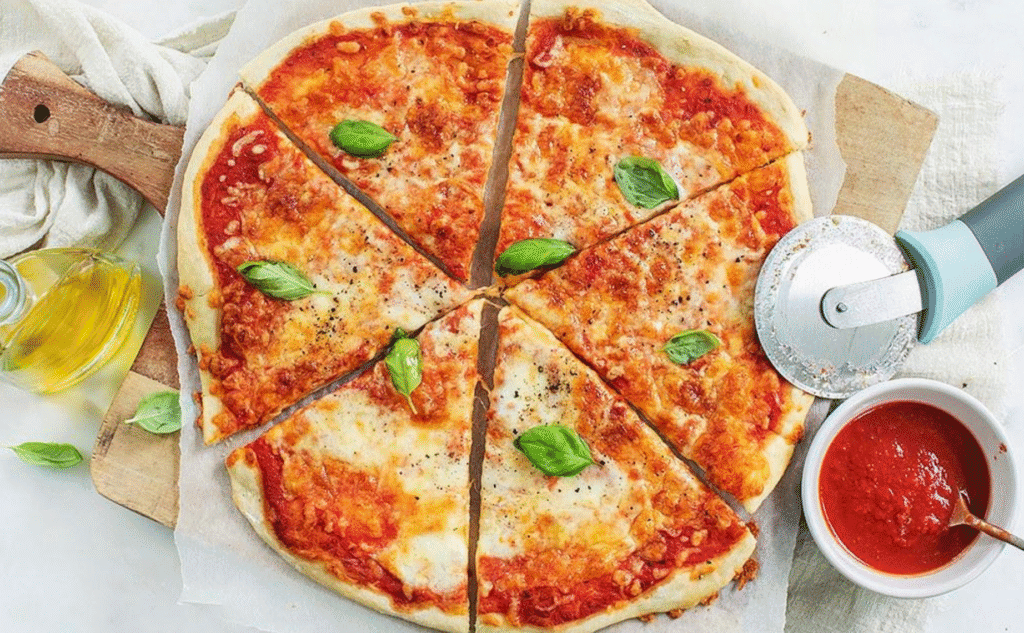
Italian pizza is a wonderful example of how a few simple ingredients can create a memorable meal. With good dough, a flavourful tomato sauce, quality mozzarella, and the right baking temperature, you can prepare delicious Italian-style pizza at home.
Start with a classic Margherita, learn how to handle the dough, and experiment with different toppings once you are comfortable with the basics. You may need a little practice to get the crust just right, but the results are worth the effort.
Try this homemade Italian pizza recipe, serve it fresh, and enjoy a taste of Italy with your family.